

Attention To Detail
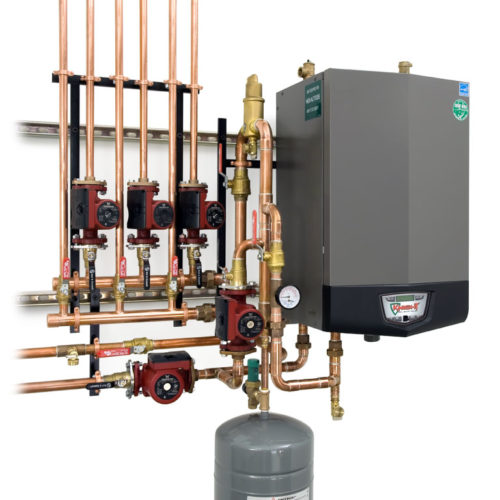
It’s the small things; that add up to make the big picture. Straight, square, level and plumb. Proper planning of piping, even when its going to be covered up begins to take shape in an organized and thought out mechanical room.

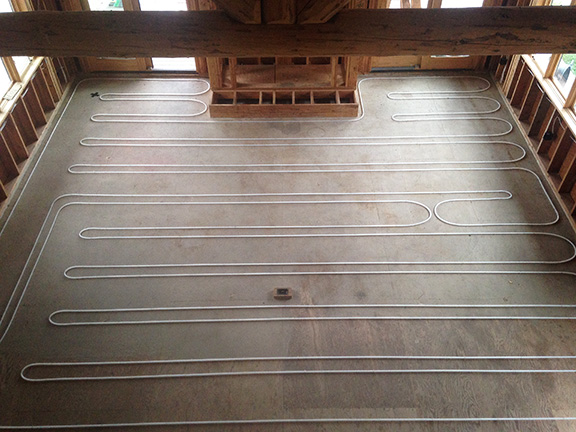
Counterflow Tubing Layout
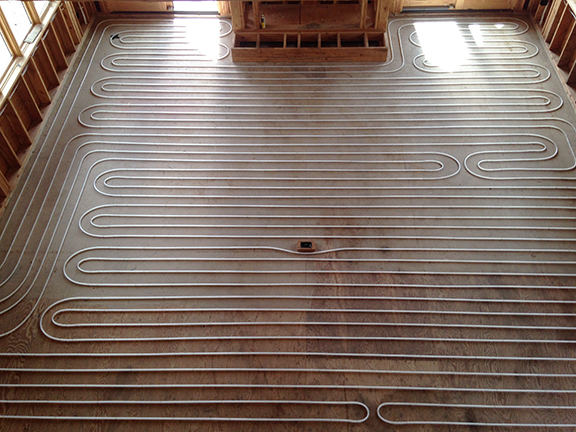
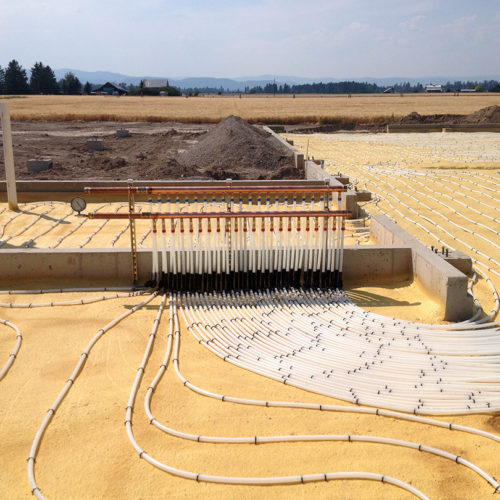
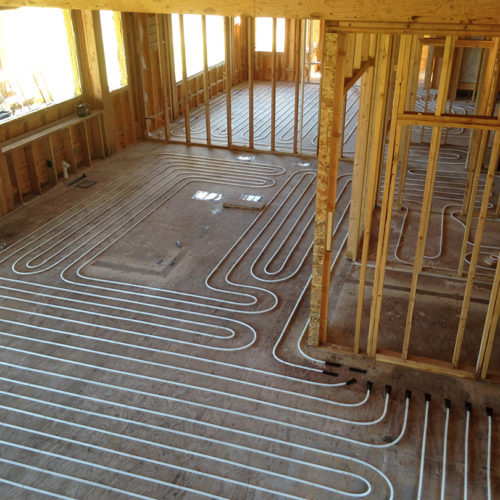
Oxygen barrier tubing stapled to the floor using a single or double loop counterflow layout. Hooked up to the manifold in a supply return supply return fashion. This ensures the most consistent and even temperature across the whole floor. Compared to starting at one end and ending at another, having a 20 degree difference in water temp.
The Benefits of Radiant Heat
 Superior comfort
can be achieved with the unique heating abilities of water. Radiant heat can be categorized into three categories. Convection, conduction and the most understood and most important being thermal radiation (the good kind). Thermal radiation is also electromagnetic energy that travels at the speed of light, transferring and deflecting heat in a straight line to people and objects in the home. Radiant heating of furniture, walls and our bodies is what makes this so important, as 62% of our personal heat is released as radiation! When this is complimented with a radiant heating system our comfort level is greatly increased. Note: that forced air systems only provide forced convection and a small amount of conduction.
 Clean Operation
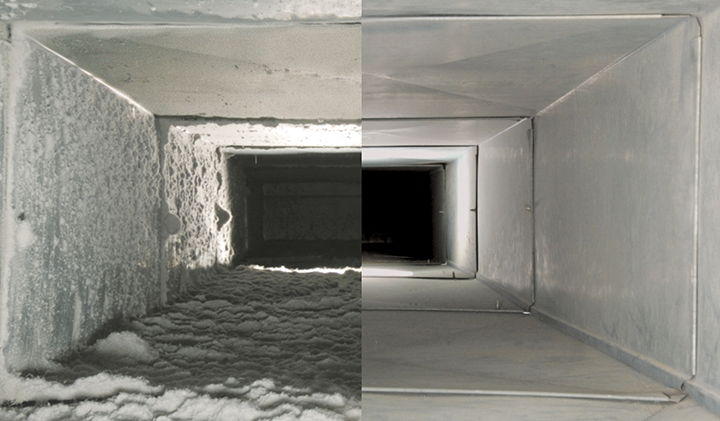
is a guarantee. Airborne pathogens, pollen, microorganisms and rodent invasions can be an unsettling. But not anymore! Radiant will eliminate these invasions from blowing around and settling into your home. Over the years your home will have no need for routine cleanings of the heating system or worries of dust and other particles settling on your countertops or in your lungs.
 Noninvasive Install
greatly improves the aesthetics of a home. Due to the fact the a 3/4” pipe can carry the same amount of heat as a 14″ by 8″ duct, installation is easier and less intrusive. The same volume of water can absorb over 3400 times more heat than that of air. Eliminating the fact that builders have to drop ceilings, create chases, and create exposed soffits in rooms. Structural conditions of a floor system do not suffer either. Notching of joists and big holes created by ducts (8” holes drilled into a 12” joist) are common with forced air. Boiler systems are also more compact and take up less space in a mechanical room. Boiler systems can also be a piece of art if done right, giving you something you can show off!
 Energy Savings
will be a major factor when deciding to install a radiant system. As any home builder will know, cost is an issue. When it comes to installing radiant heat you can expect about a 25% higher installation expense. We can combat this initial cost with the energy savings over a period of time, comfort and wellbeing. Savings starts with how radiant works at floor to ceiling temperatures, pumps vs. blower motor and pressurized homes due to forced air (air leakage) just as a starting point! In further detail, radiant has been proven to increase energy savings up to 34% between fuel and electricity. Over time this can be substantial!
 Quiet Operation
of hydronic systems virtually eliminates any detectable noise. This added benefit of radiant heat will make you wonder if your house is even being heated.
 Design Flexibility
Hydronics offer virtually unlimited potential. A single system can supply space heating, snow melting of driveways and walkways, pool heating and other specialty loads. Domestic hot water can also be heated using indirect hot water tanks. The recovery rate of this option means more hot water for multiple, longer shower. Coupling systems like these ones will reduce costs of installation due to redundancy.